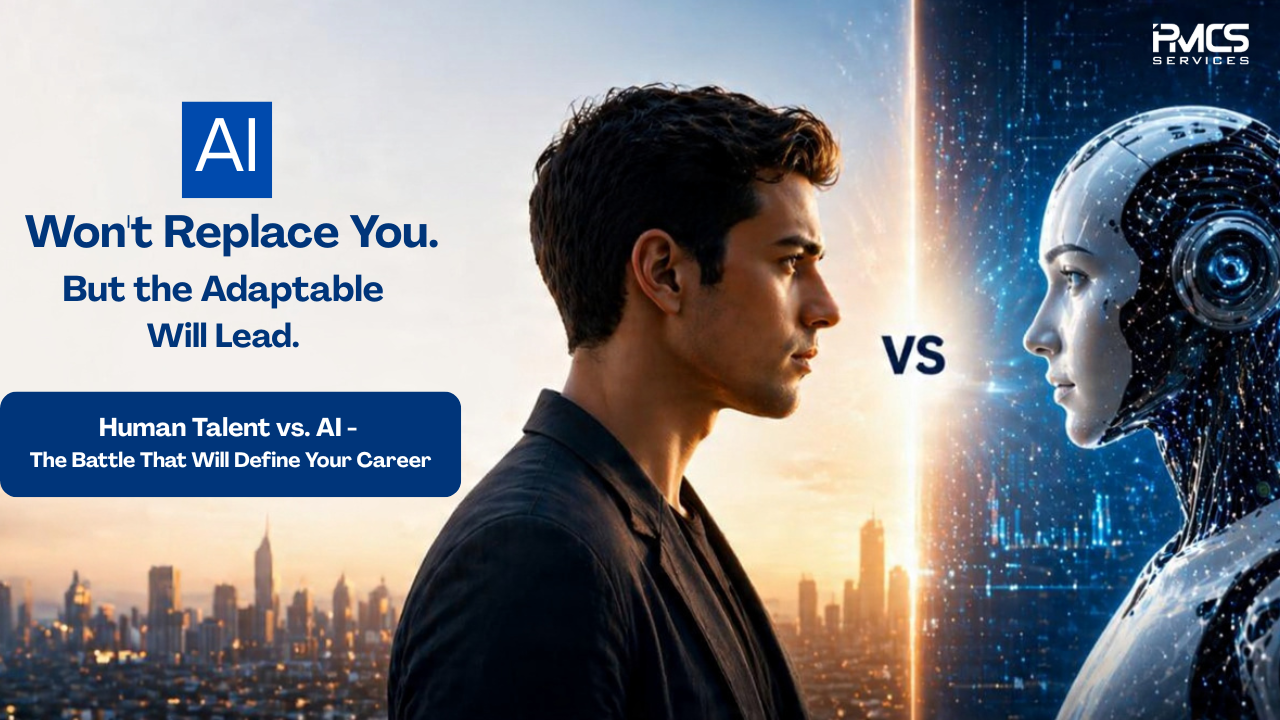
AI + Human Skills: What Employers Want in 2026
Artificial Intelligence is fundamentally shifting the gears of our global economy. Whether you look at healthcare, finance, or engineering, AI tools have quietly woven themselves into the fabric of almost every profession. While this technological leap sparks genuine innovation, it has also triggered a wave of anxiety for students and parents alike. Many students worry about being pushed out by algorithms, while parents fret over what long-term career stability even looks like anymore. These shifting tides are now at the heart of every conversation about education and what it really takes to stay employable. The good news is that we aren't looking at a world where humans are totally sidelined. Instead, the bar has moved. Employers today aren't just hunting for technical chops; they’re prioritizing the human edge—creativity, clear communication, steady leadership, and the grit to solve complex problems. This shift makes hands-on, skill-focused learning more critical than ever. By getting a handle on the AI competencies that will be standard by 2026, students can approach the job market with a much clearer sense of purpose. It’s no longer about choosing between man or machine; the future belongs to those who can bridge the gap, blending high-tech tools with uniquely human strengths. As industries continue to transform, finding that balance between technical expertise and human nuance is exactly how you build a future-proof career. The hiring landscape has evolved, too. Gone are the days when a high GPA and a basic certification were enough to secure a top role. Recruiters are now leaning heavily into portfolios, live projects, and the ability to pivot when things change. They want to see that you can use AI to clear away the grunt work while you focus on the creative, high-stakes decisions that technology simply can't touch. Skills like critical thinking, emotional intelligence, and authentic leadership aren't just buzzwords—they are the bedrock of long-term success. Schools like Marwadi University have started to lean into this reality, emphasizing experiential learning and real-world exposure to help students stay ahead of the curve. Ultimately, if you keep your curiosity sharp and stay committed to learning new tools, you won't just survive this transition; you'll thrive in it.